Ingredients Matter
At Little S Co. we only use 100% organic ingredients, ensuring the highest quality products for baby and mama.
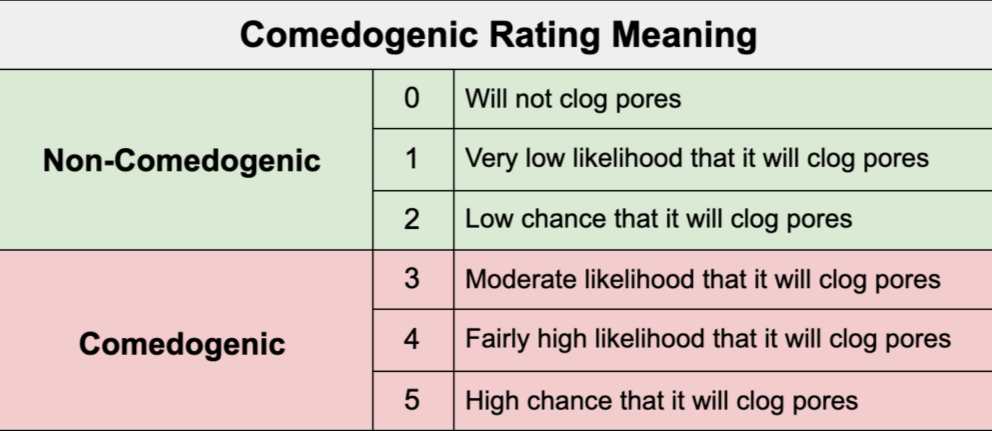
Comedogenic rating chart is at the bottom of page for mobile version
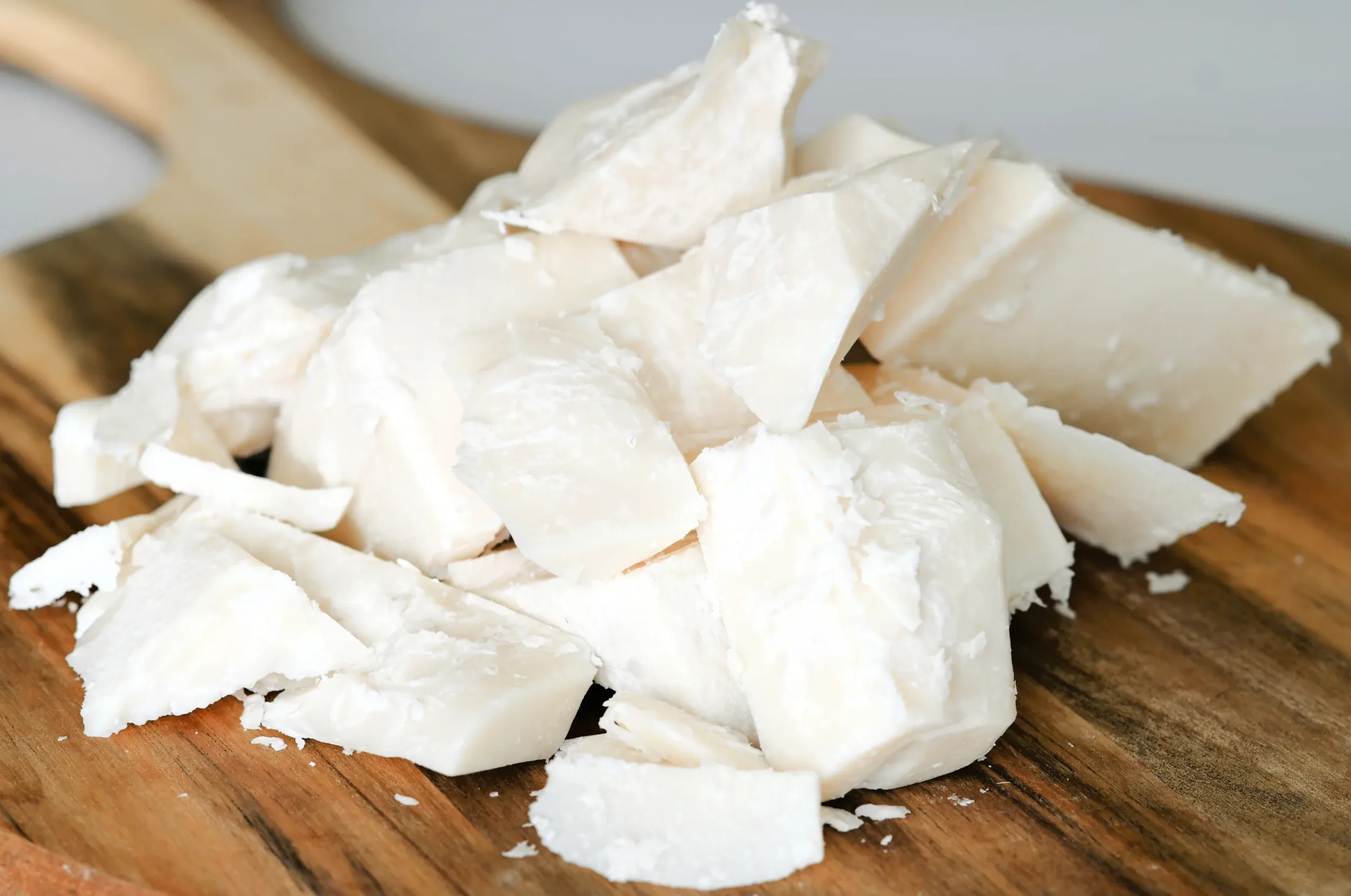
Grass-Fed Tallow:
Why Tallow?
Tallow is rich in fatty acids that closely mimic sebum, which is what our bodies naturally produce to moisturize, protect, and maintain the health of our skin and hair. Because of the likeness between tallow’s fatty acid profile and our own sebum, it naturally integrates with our skin’s lipid layer. Tallow is also extremely nutrient rich, with fat soluble vitamins (A, D, E, & K) that aid in cell turnover, elasticity, repair, and overall skin health. Tallow also allows for an anhydrous product, which means it does not contain any water. This means there are no unnecessary additives, like preservatives. It also has natural antimicrobial and anti-inflammatory effects. This all makes tallow a great option for those with sensitive skin, eczema, psoriasis, and other irritated skin conditions.
What is Tallow?
Tallow is made from rendered beef suet. Yes, I know that sounds scary, but it is proven to be extremely beneficial for both skin and hair. I mean, God gave us everything we needed to take care of our bodies on this beautiful planet He created. It only makes sense that many of the animals and plants he gave us would be multi-beneficial.
Things to Consider.
While tallow is an amazing product for most people, can irritate oily or acne prone skin, so it is best to introduce slowly to ensure your skin has time to adjust.
Comedogenic Rating.
1-3 (This rating depends on the quality of tallow and rendering practices. Little S Co. only uses high quality suet and does a low and slow rendering process to ensure there is no water, impurities, and minimal smell.)
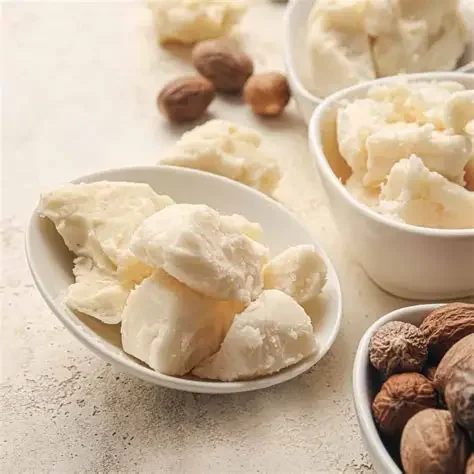
Unrefined Shea Butter:
Why Shea Butter?
Shea butter has naturally occurring antioxidant properties, being high in both vitamin A & E. These specific antioxidants help combat free radicals. Free radicals are highly reactive, unstable molecules in your body caused by naturally occurring processes, but worsened by stress, environmental pollution, inflammation, smoking, etc. When accumulated, they can lead to premature aging and chronic health conditions. Shea butter, like tallow, is also deeply moisturizing. It has a high fatty acid content helping your body to retain water. It also has cinnamic acid, which provides anti-inflammatory effects, making it another great option for those with irritated or inflamed skin. Not only is it great for eczema, psoriasis, and dermatitis, but it also has healing properties that benefit minor cuts, skin irritations, and burns. Lastly, shea butter supports collagen production, which helps with skin’s firmness. This makes it especially great for pregnant women to help prevent stretch marks.
What is Shea Butter?
Shea butter comes from the nuts of the Vitellaria Paradoxa tree, which is native to West Africa. This tree is also called the “Tree of Life” due to its 200-year lifespan. Shea butter is made with a lengthy process of drying, crushing, roasting, grinding, kneading, and boiling the nuts to create a creamy butter that is amazing for both skin and hair.
Why Unrefined?
Refined shea butter goes through a chemical process. This includes bleaching and deodorizing. They do this to help with shelf life; however, this process reduces the vitamins and antioxidants found in naturally produced unrefined shea butter. Those vitamins and antioxidants are essential for maximum skin and hair benefits, making unrefined the clear choice.
Things to Consider.
Shea butter derives from nuts of the Shea tree, Vitellaria Paradoxa, which means they are a tree nut. However, for those with tree nut allergies, reactions to shea butter are extremely rare. Shea nuts are primarily composed of fat and not protein. Protein is the typical cause for reactions from tree nuts. There are no documented cases of shea butter causing an allergic reaction in those with tree nut allergies. However, if you are allergic to tree nuts, it is safest to conduct a small patch test and wait 24 hours to ensure there is no reaction.
Comedogenic Rating.
0-1
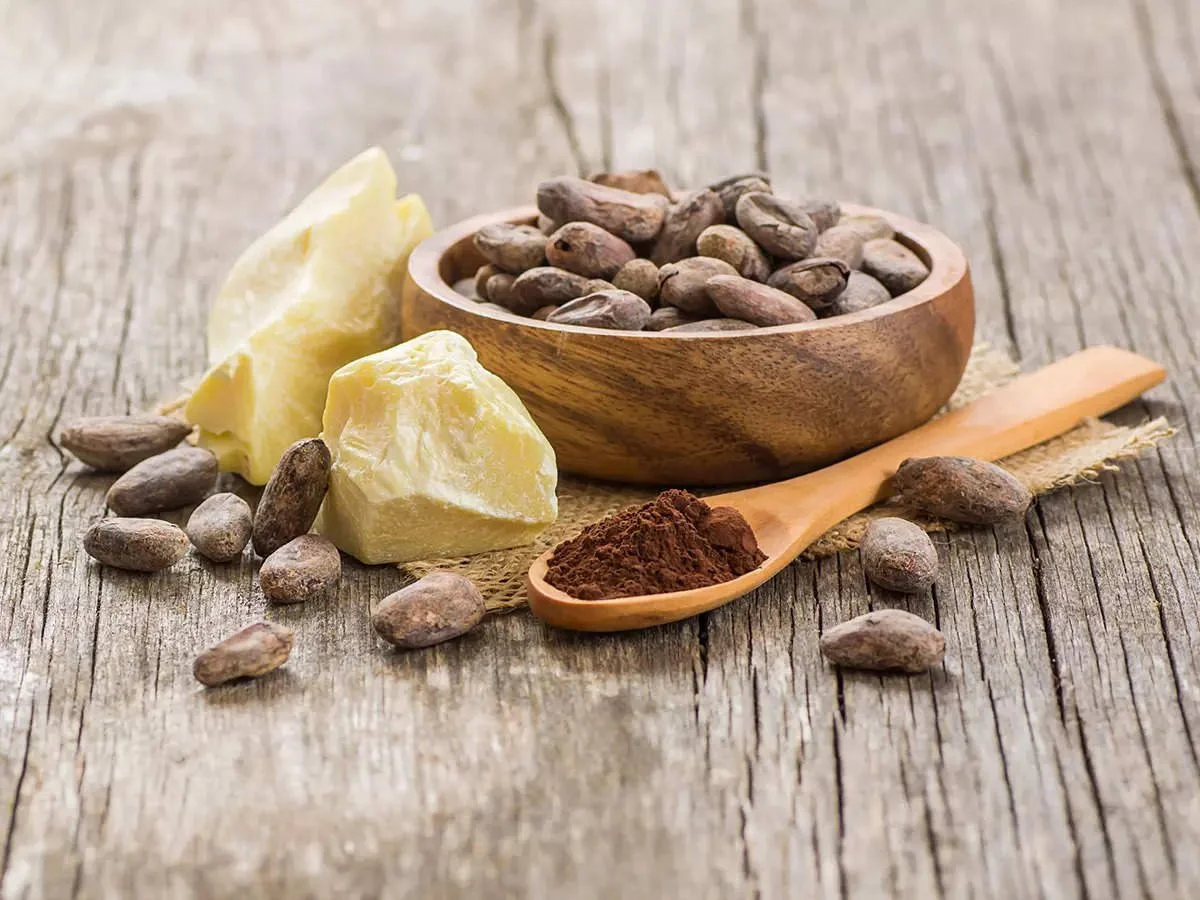
Unrefined Cocoa Butter:
Why Cocoa Butter?
Like shea butter, cocoa butter is rich in fatty acids that help lock in moisture by forming a protective barrier on the skin. These fatty acids such as, oleic, stearic, and palmitic acids, help reduce fine lines and wrinkles. Cocoa butter also is rich in antioxidants such as vitamin E and polyphenols. Polyphenols have both antioxidant and anti-inflammatory properties that help combat free radicals, provide UV protection, reduce inflammation, and improve skin elasticity. Improved skin elasticity can help prevent stretch marks during pregnancy. The anti-inflammatory properties of cocoa butter can help soothe irritated skin and reduce redness. This makes it beneficial for skin conditions such as eczema and psoriasis. Like shea butter, cocoa butter also can help aid in the healing of minor injuries and is known to help scars heal. Also, cocoa butter has a beautiful chocolate aroma, giving Little S Co.’s body butters a sweet chocolatey smell.
What is Cocoa Butter?
Cocoa butter comes from the seeds of the Theobroma Cacao tree, or Cacao Tree, native to tropical regions of Central and South America. Cocoa butter is made by fermenting, drying, roasting, and cracking to separate the shells from the nibs. After that is complete, they grind the nibs into cocoa liquor and extract the cocoa butter from the liquor using pressing or a mechanical separation.
Why Unrefined?
Like shea butter, the refining process strips away vitamins and antioxidants in an effort to increase shelf life and remove the chocolatey aroma that is the essence of cocoa butter. The heavy duty process it takes to refine cocoa butter changes its molecular structure of its lipids, or fatty acids, which is what makes it so medicinal for both skin and hair. Unrefined cocoa butter also ensures that it is extracted from the cocoa liquor with cold pressing, not mechanical separation.
Things to Consider.
Cocoa butter is derived from cacao seeds, the same ones used to make chocolate. If you are allergic to chocolate you will want to conduct a small patch test and wait 24 hours to ensure you do not have an allergic reaction or sensitivity to the product. While true reactions are rare, sensitivities can be more common. Also, with a higher comedogenic rating of 4, it can be pore clogging for acne prone skin. However, in both our body butter formulas, cocoa butter only accounts for 12.6% of the whole recipe, so the amount is fairly small.
Comedogenic Rating.
4
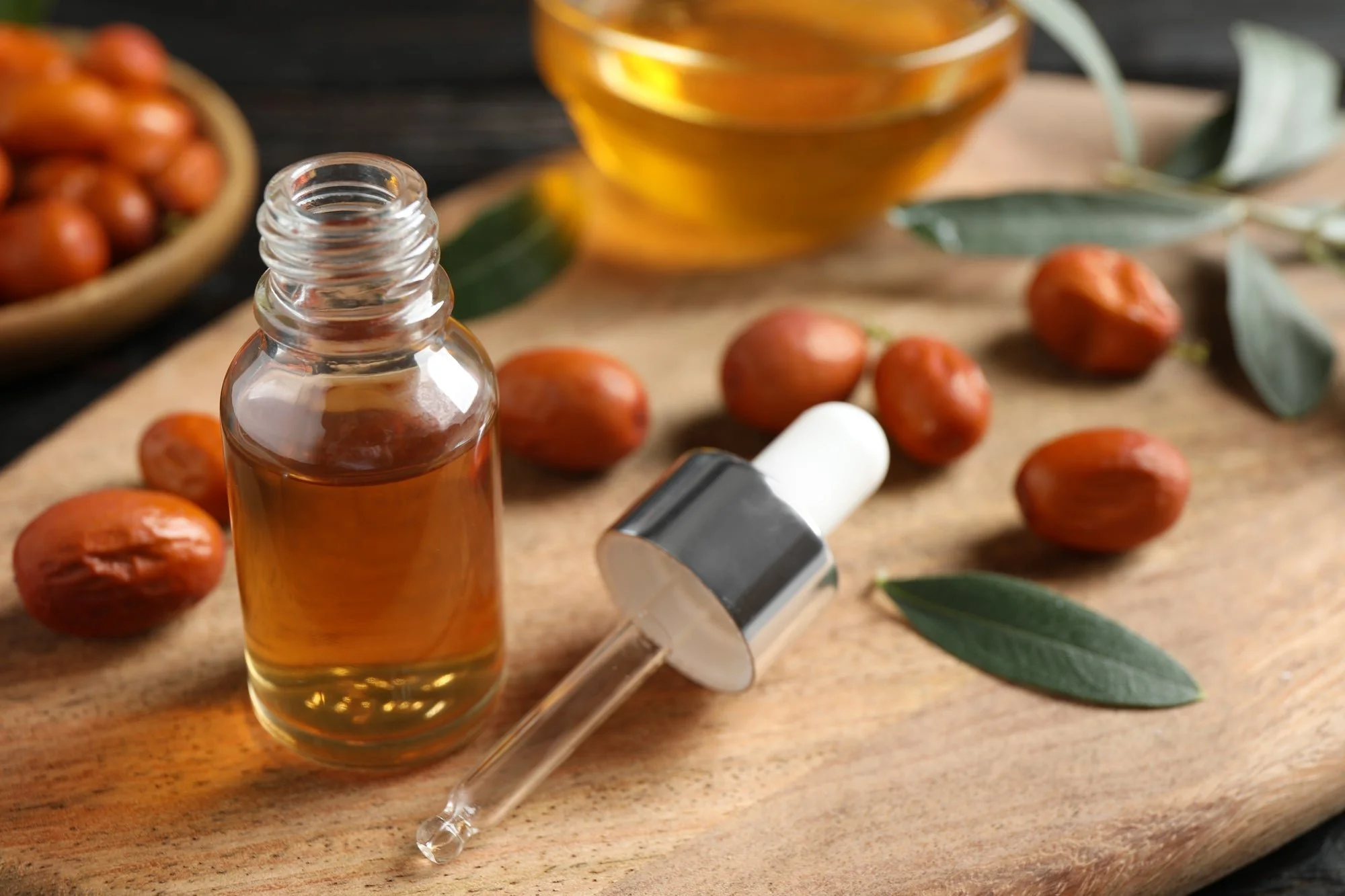
Unrefined Cold Pressed Jojoba Oil:
Why Jojoba Oil?
Jojoba oil is rich in vitamins and antioxidants. It contains vitamin E, vitamin B complex, copper, and zinc. Copper and zinc in particular are necessary nutrients in our bodies, and promote collagen production and wound healing. Vitamin B complex consists of eight essential vitamins (B1, B2, B3. B4, B5, B6, B7, B9, B12), and the combination of these vitamins are great for promoting skin elasticity, anti-inflammatory and antioxidant effects, and hydration. All B vitamins are essential for skin cell’s growth and repair. Jojoba oil is also antibacterial. It’s antimicrobial and antifungal properties kills certain bacteria and fungi that can cause salmonella, an E. coli infection, and candida. Due to its composition closely mimicking human sebum, it is extremely hydrating without the risk of clogging pores. Native Americans have used jojoba oil for centuries for wound healing and treating skin conditions.
Vitamin B1 (thiamine) has antioxidant properties, helping to protect the skin from oxidative stress and free radical damage (which are major contributors to skin aging).
Vitamin B2 (riboflavin) helps regulate sebum production, which can reduce the risk of acne.
Vitamin B3 (niacinamide) is amazing for its anti-inflammatory properties, making it effective in treating acne and improving overall skin texture. It also stimulates collagen production, aiding in firmer skin and the reduction of fine lines.
Vitamin B4 (adenine) is crucial for DNA and RNA. Adenine helps stabilize nucleic acids. In DNA it pairs with thymine; in RNA it pairs with uracil. Vitamin B4 helps improve skin by boosting cell renewal, reducing stress, and strengthening the skin barrier.
Vitamin B5 (pantothenic acid) is known for its moisturizing properties, helping to soothe and restore dry or damaged skin.
Vitamin B6 (pyridoxine) reduces inflammation and swelling, which helps calm irritated skin, as chronic inflammation can cause eczema, psoriasis, and redness. It also makes collagen by aiding protein and amino acid use, supporting firmness, repair, and a youthful look. It also acts as an antioxidant, neutralizing free radicals from UV exposure to protect skin. By helping balance hormones, it can regulate oil production, lowering excess oil and clogged pores. This makes it useful for acne-prone skin.
Vitamin B7 (biotin) is known for it’s ability to enhance skin elasticity and reduce the appearance of fine lines and wrinkles.
Vitamin B9 (folate) Folate is the natural form of folic acid. It is essential for new skin cell production, and helps skin to develop properly due to its role in supporting collagen production. This allows it to help to keep skin fresh, youthful, smoother, and gives it a more even texture. A folate deficiency can leave skin dull from dead cell buildup. Vitamin B9 also has anti-inflammatory effects that reduce redness and irritation, making it useful for sensitive skin. Vitamin B9 is very beneficial for strengthening the skin’s moisture barrier. This helps to retain hydration, plump skin and reduce fine lines and dryness. It is also great for helping balance sebum, preventing excess oil, clogged pores, and acne-related inflammation. Its antioxidant action protects skin from environmental damage like UV rays and pollution.
Vitamin B12 (cobalamin) helps skin stay naturally moisturized, soft, and smooth. Creams or serums with B12 deeply hydrate, easing dryness and flaking around the mouth and fingertips. Fibroblasts are cells that are commonly found in the connective tissue of your body. Collagen is the main protein of your connective tissue. Vitamin B12 boosts those fibroblasts, making collagen, elastin, and hyaluronic acid. This improves firmness, elasticity, and reduces fine lines. Regular use keeps skin looking younger. Low B12 can cause dark patches and uneven tone. Taking or applying B12 can help regulate melanin, fade dark spots, and brighten the complexion. B12 also acts as an antioxidant, protecting skin from UV and pollution damage that speeds aging and inflammation. Using B12 on your skin may aid healing and reduce inflammation in conditions like eczema, vitiligo, and angular stomatitis.
What is Jojoba Oil?
Jojoba oil is a liquid wax that is extracted from the seeds of the Jojoba shrub, or Simmondsia chinensis. The Jojoba shrub is native to Southern Arizona, Southern California, and Northwest Mexico. About 97% of jojoba oil is made up of wax esters, making it more stable than most oils, naturally. Jojoba oil is made by cold pressing the seeds and filtering out any impurities.
Why Unrefined and Cold Pressed?
Cold pressing is essential to maintaining nutrients and preserving the properties that make up jojoba oil. Cold pressing is done by hydraulic or screw presses, without any added heat or chemicals. It is essential to maintain a low temperature, not exceeding 120°F, or risk loss of vitamins and nutrients. Non-cold pressed, or “refined”, “bleached”, or “deodorized” jojoba oil has been stripped of its nutrients in an effort to reduce its nutty aroma, golden color, and any impurities. This always involves high heat. Its important to be both cold pressed and unrefined, because cold pressed and refined essentially states that it is cold pressed, yes, but then subjected to high heat to remove any impurities, thus altering its molecular structure and stripping certain vitamins (like vitamin E).
Things to Consider.
Allergic reactions to jojoba oil are very rare, but can occur. To ensure safety, conduct a small patch test and wait 24 hours.
Comedogenic Rating.
2
Natural Vitamin E Oil:
Why Vitamin E Oil?
Vitamin E oil deeply hydrates dry skin and locks in moisture, reducing flakiness, roughness, and irritation. Mixing it with carrier oils (like jojoba) provides extra hydration. As a strong antioxidant, it fights free radicals from sun, pollution, and stress, helping protect skin cells and slow visible aging. It also is beneficial to use after sun exposure to help lessen damage, but not as a sunscreen replacement. Vitamin E can soften fine lines and boost skin elasticity and repair. It can also calm redness, inflammation, and itchiness, making it useful for eczema, psoriasis, or sensitive skin by strengthening the skin barrier. With regular use, vitamin E oil can slowly improve skin tone and texture, helping fade hyperpigmentation, blemishes, and scars for a more even, radiant look.
What is Vitamin E Oil?
Vitamin E oil is a concentrated form of vitamin E used for skin and hair care. It is extracted from vegetable oils, such as sunflower, rapeseed, soybean, and rice bran oils. The vitamin E oil that Little S Co. sources comes from sunflower seeds. It’s an antioxidant that moisturizes, helps fade scars, and shields skin from environmental damage. It comes from fat-soluble compounds called tocopherols and tocotrienols, with alpha‑tocopherol being the most active.
Why Natural Vitamin E Oil?
There are two ways to process vitamin E oil; synthetic and natural. They key difference between the two is where they are derived from. Natural vitamin E oil is extracted from plant sources, while synthetic is manufactured. Manufacturing it changes its structure, thus making it less bioavailable and effective. Like most products, the main reason for refining or manufacturing it comes down to cost, shelf life, and smell.
Things to Consider.
Vitamin E oil can be occlusive, or pore-clogging, if used alone. Little S Co. uses small quantities in our product, to ensure minimal pore clogging and oiliness. It makes up about 1% of the product.
Comedogenic Rating.
2-3
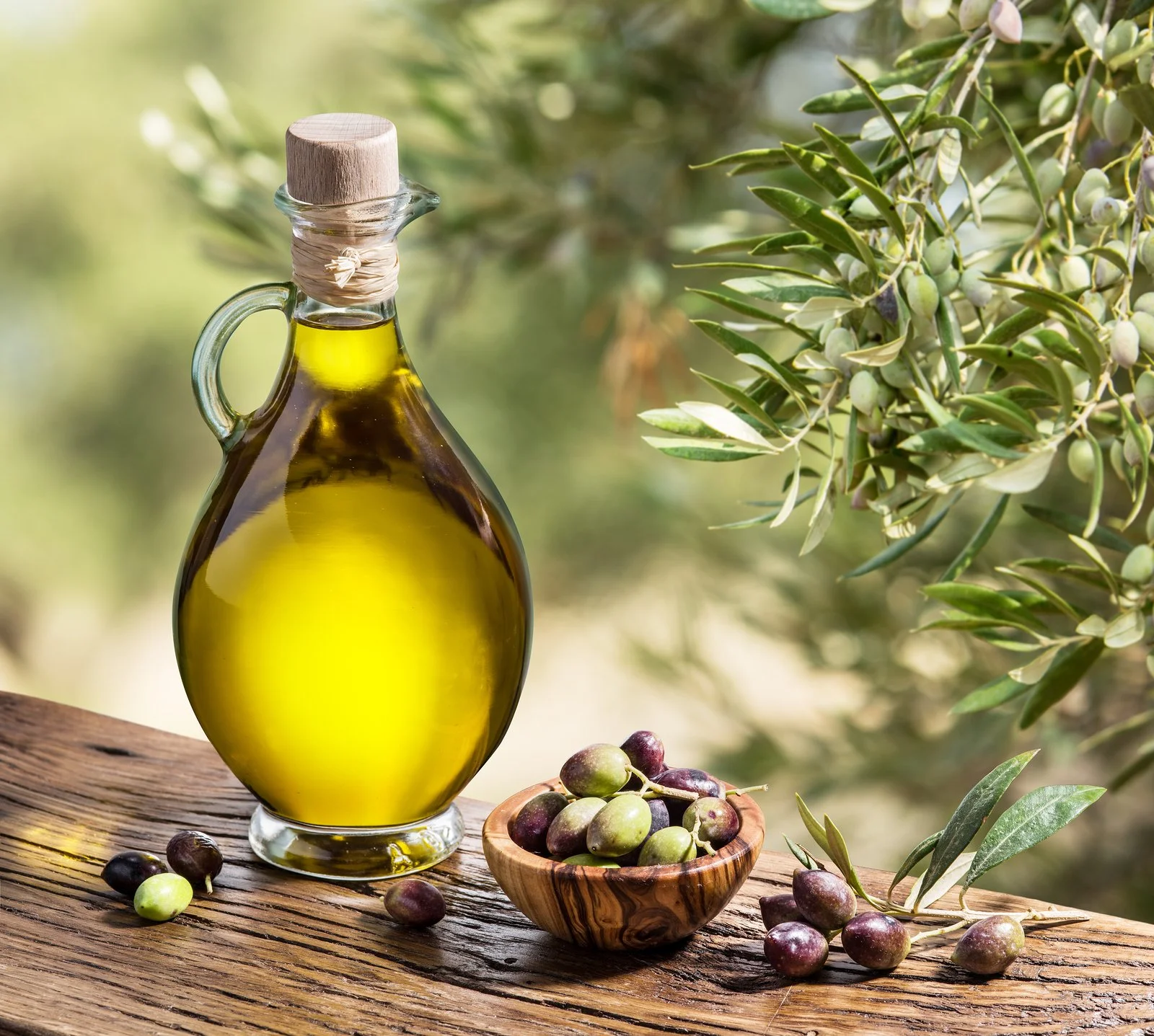
Extra Virgin Olive Oil:
Olive oil is currently only used in the Baby’s Diaper Balm, so the comedogenic rating is unapplicable at this time
Why Olive Oil?
Olive oil is an anti-inflammatory agent and contains antioxidants like vitamin E and polyphenols that can help soothe diaper rash. It is deeply moisturizing, which allows it to act as a protective barrier to help heal wounds and rashes. It also helps to reduce bacterial growth, preventing any wounds from worsening.
What is Olive Oil?
Olive oil comes from olives of the Olive Tree, or Olea Europea., traditionally from the Mediterranean area. It is made by crushing the olives and extracting the oils they contain, and then filtering out any impurities.
Why Extra Virgin Olive Oil?
Extra virgin olive oil is made by cold pressing, to prevent heat from stripping its vitamins and antioxidants. Refining it, which is just regular olive oil, is done to flaws, thus resulting in a lighter color, flavor, and less benefits.
Things to Consider.
Olive oil is high in oleic acid, which closely resembles the natural fats found in our skin. This makes it great for penetrating our skin and replenishing moisture. However, if overused, oleic acid can sometimes break down the skin’s barrier and lead to dryness or irritation. However, the diaper balm has about 12.5% olive oil in our recipe, so the likelihood of going overboard is much less than using straight olive oil on the skin. It is always safest to conduct a patch test first before use.
Sources:
https://www.healthline.com/health/beef-tallow-for-skin
https://www.goodrx.com/health-topic/dermatology/is-beef-tallow-good-for-skin
https://www.healthline.com/health/beauty-skin-care/what-is-shea-butter
https://health.clevelandclinic.org/shea-butter-benefits
https://cityskinclinic.com/shea-butter-skin-benefits/
Refined Vs. Unrefined Cocoa Butter - Skincell.org
https://health.clevelandclinic.org/jojoba-oil-benefits
https://www.greenskybio.com/blog5/ten-application-efficacies-of-organic-vitamin-b9-on-skin.html
https://www.healthline.com/health/beauty-skin-care/jojoba-oil-for-face#wound-healing
https://bellaterraoils.com/blogs/natural-carrier-oils/where-does-jojoba-oil-come-from
https://www.medicalnewstoday.com/articles/318168#treating-eczema
https://thedermspot.com/vitamin-e-oil-for-skin-benefits-and-usage-guide-in-2025/
https://necolebitchie.com/what-is-vitamin-e-oil-and-how-is-it-made/
https://oliveknowledge.com/how-olive-oil-is-made/
https://www.oliveoil.com/whats-the-difference-extra-virgin-vs-regular-olive-oil/